
Tending to a garden is not only time-consuming, but it can be exhausting too. With so many plants with differing needs, it can all become overwhelming, which more often than not leads to total garden abandonment. These particular plants, however, are so easy to care for that you'll hardly need to be in the garden.
From the easiest flowering plants to dependable evergreen varieties, there are certainly many ways you can get away with being a neglectful gardener. However, if you really struggle with getting outside and sorting the garden out, you might want plants that can thrive pretty much independently.
Luckily, various plants for your garden will not only grow but thrive with very little interference at all. So if you are looking for a more carefree approach to your garden, these are the leafy friends for you.
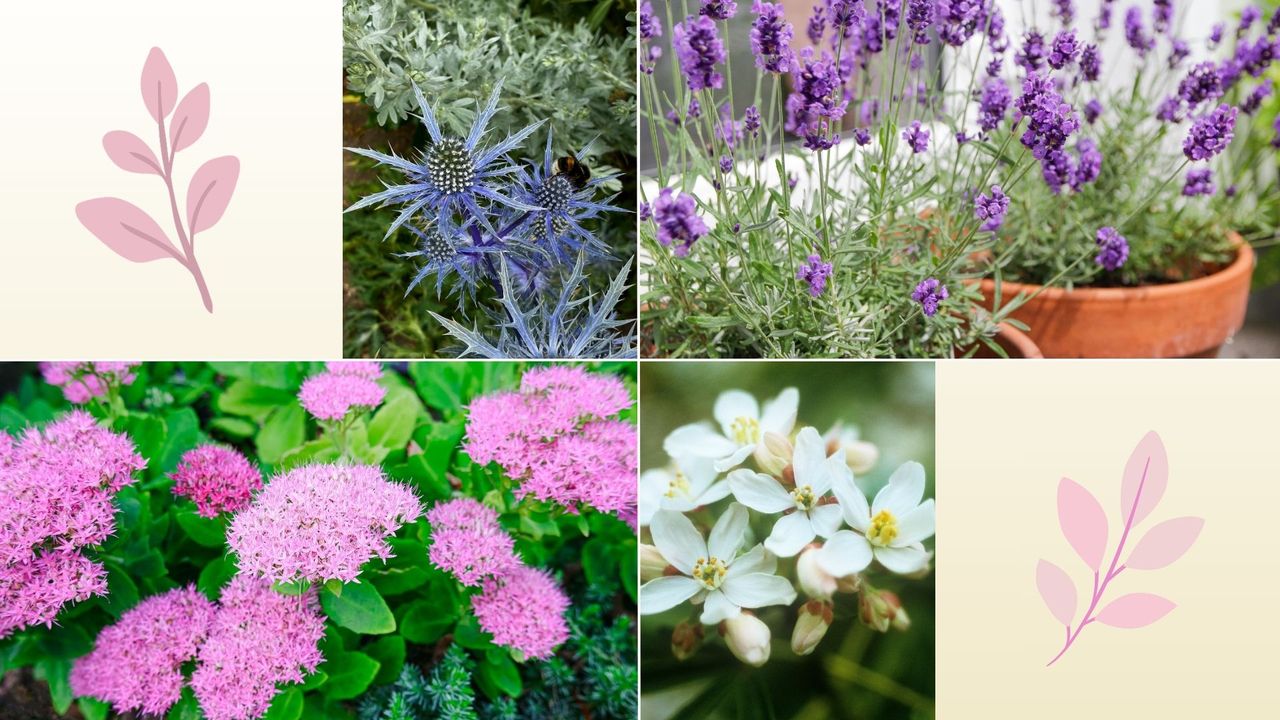
5 low-maintenance garden plants that thrive on neglect
Between plants that grow in poor soil and the best plants for shade, there's no shortage of species that like to defy the odds. There are, however, fewer options for plants that can thrive on actual neglect, but these are the five that most certainly can.
1. Sundance 'Choisya'
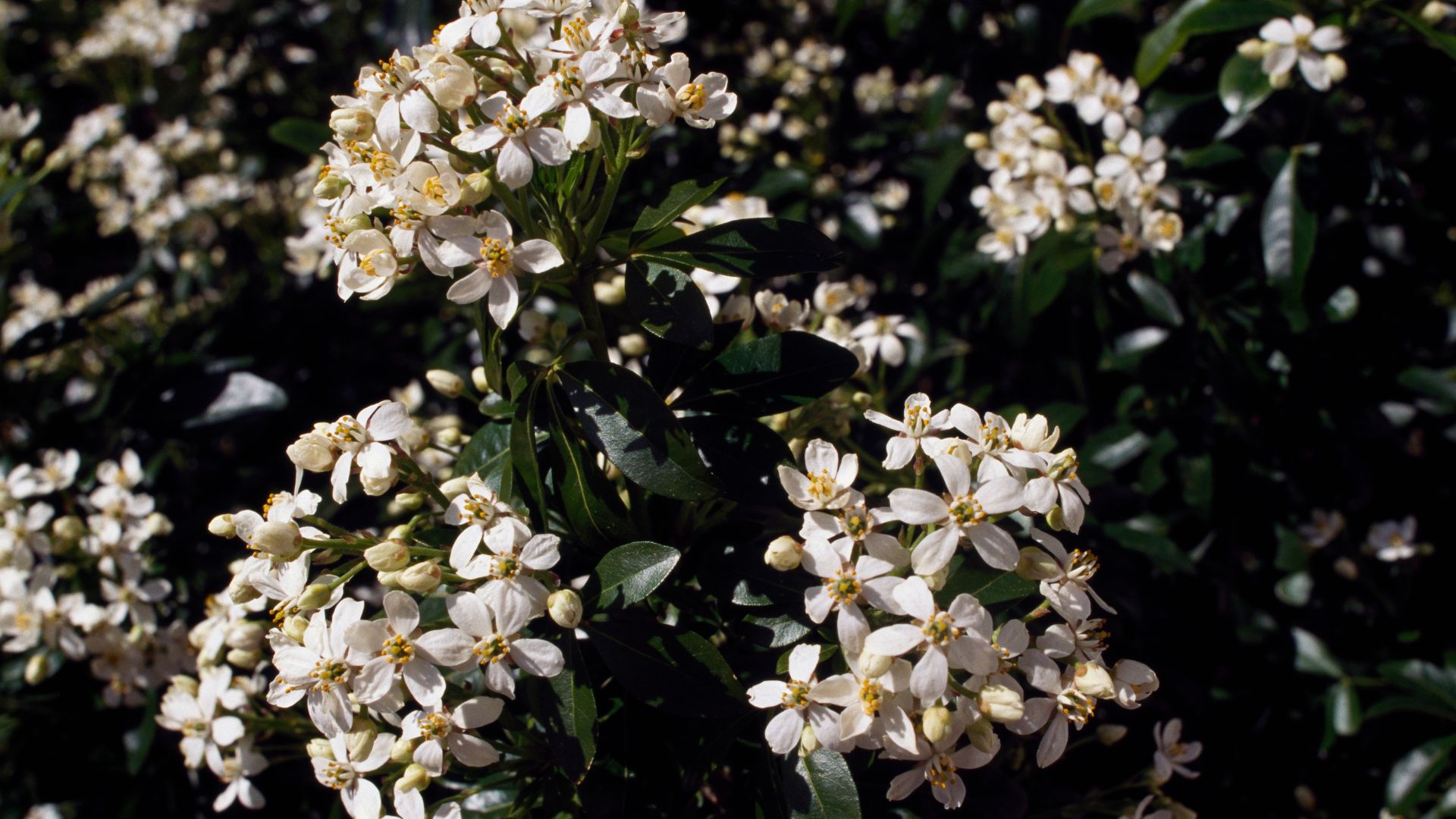
It's no surprise that fast-growing shrubs are becoming increasingly popular to add to your gardens, with their impressive growth and low-maintenance, what's not to love? This shrub can also survive through some pretty testing conditions; it ticks all the boxes.
"Choisya, also known as Mexican orange blossom, is a fragrant, evergreen shrub with bright yellow foliage that brings a cheerful splash of colour to the garden year-round," explains Emma Fell, Head of Horticulture at Hillier Garden Centres.
"It produces clusters of scented white flowers in late spring and often again in summer. Thriving in moist, well-drained soil, it tolerates heat, drought and neglect, and requires very little maintenance beyond a light trim after flowering to encourage bushy growth."
This Choisya Sundance Mexican Orange Evergreen Shrub in a pot from B&Q is already established and ready to plant.
2. Sedum
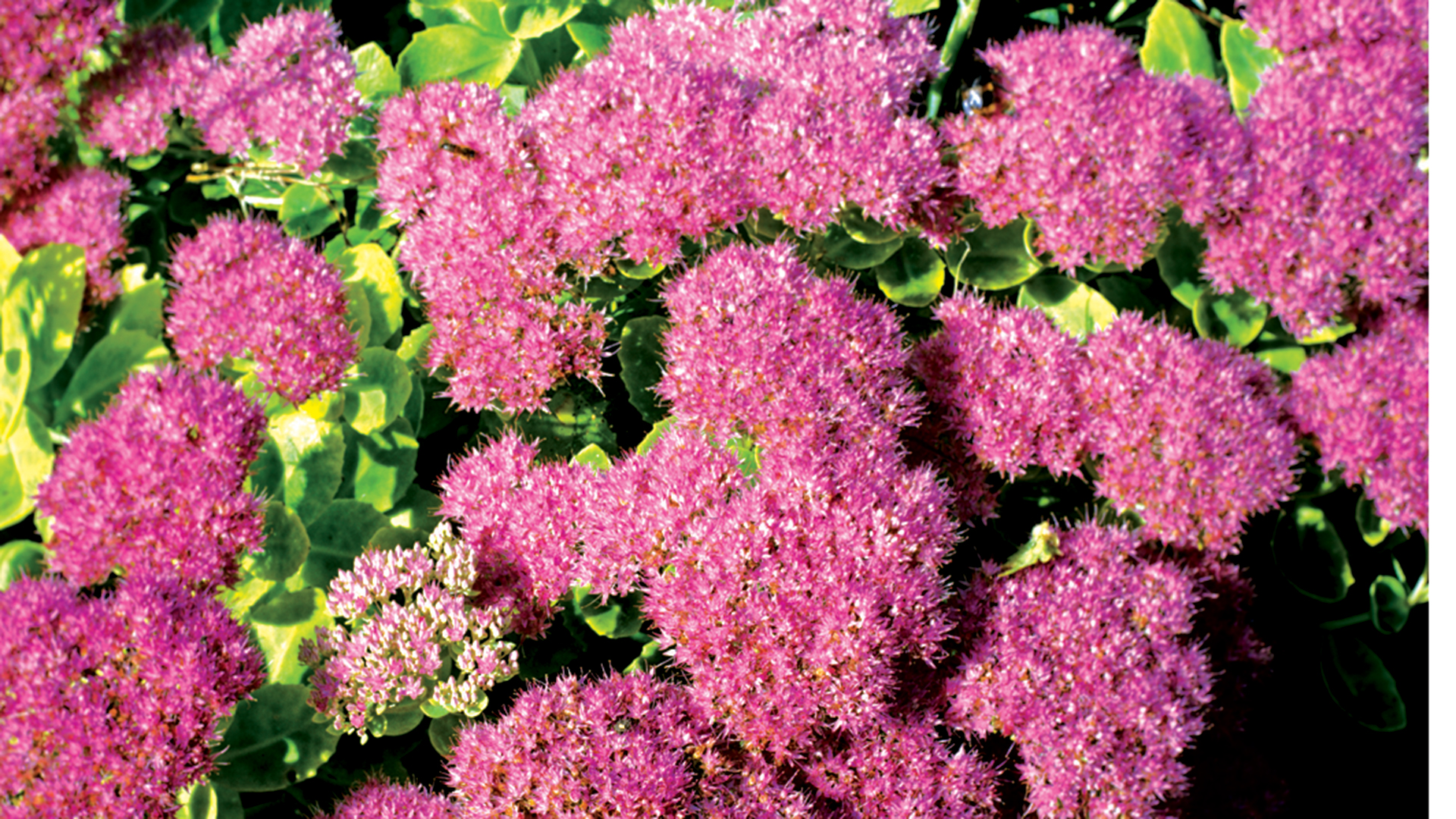
As one of the best rockery plants, sedum is unsurprisingly pretty hardy and will happily grow in most climates. "In UK gardens, drought-tolerant succulents such as Sedum and Sempervivum are classic neglect-lovers, " says Dr Russell Sharp, Founder of Eutrema.
"But they only behave that way when drainage is sharp, and they sit in full sun. Winter wet is the common cause of failure, so a lean, gritty soil and pots that never sit waterlogged matter more than any routine feeding."
3. Viburnum tinus
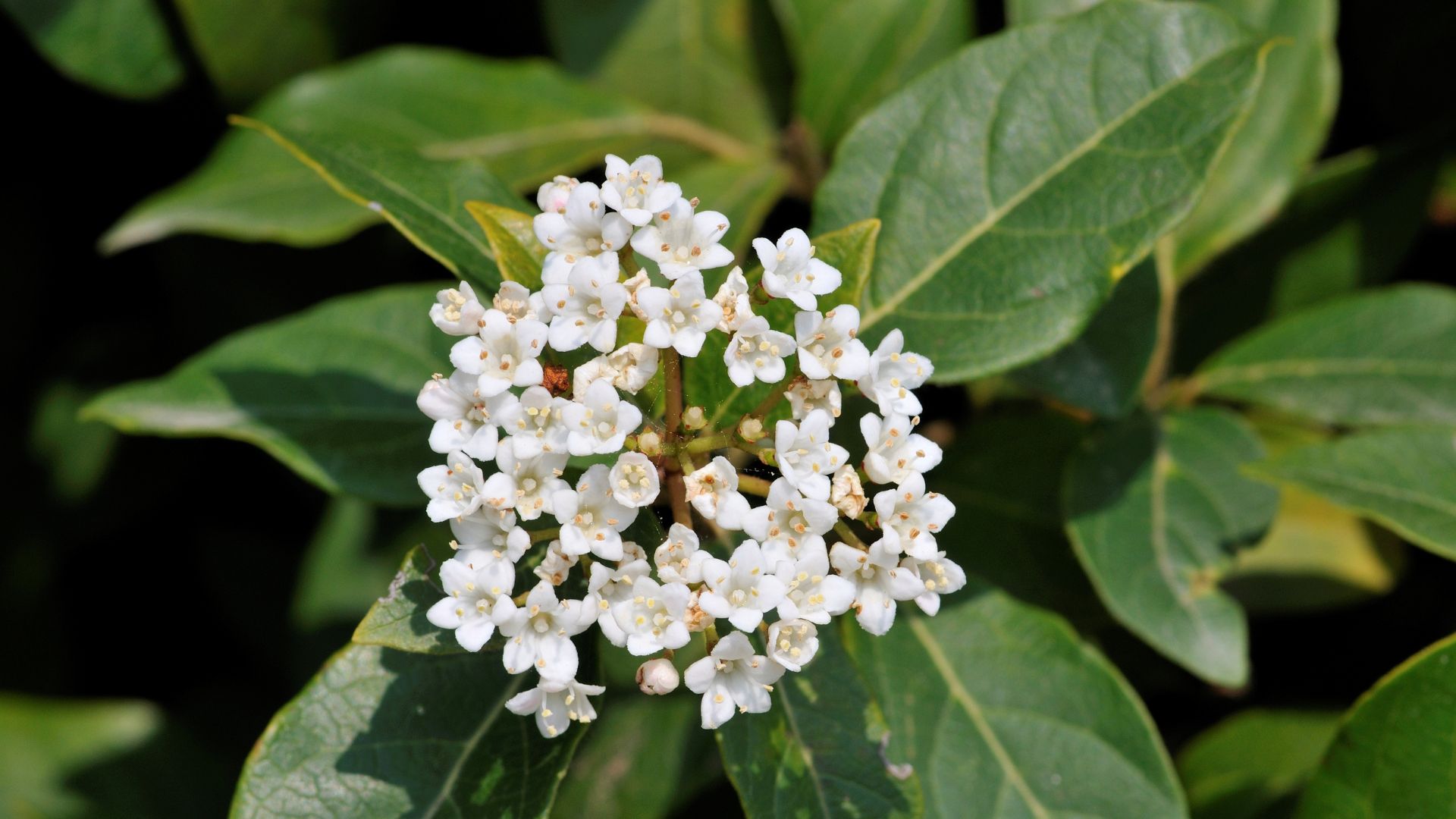
Not only is Viburnum tinus a plant that thrives on neglect, but it's also one of the best fragrant garden plants. Known for its sweet, spicy and musky notes, this shrub is a fantastic addition to your garden.
“Viburnum tinus is an evergreen shrub that produces clusters of pink buds in late autumn, which open to white flowers through winter, followed by dark berries. It's tough, adaptable and grows happily in sun or partial shade," Emma explains.
"Only light pruning is required – remove any dead wood or shape lightly after flowering. Its glossy foliage keeps your garden looking structured even in the quieter months.”
4. Lavender
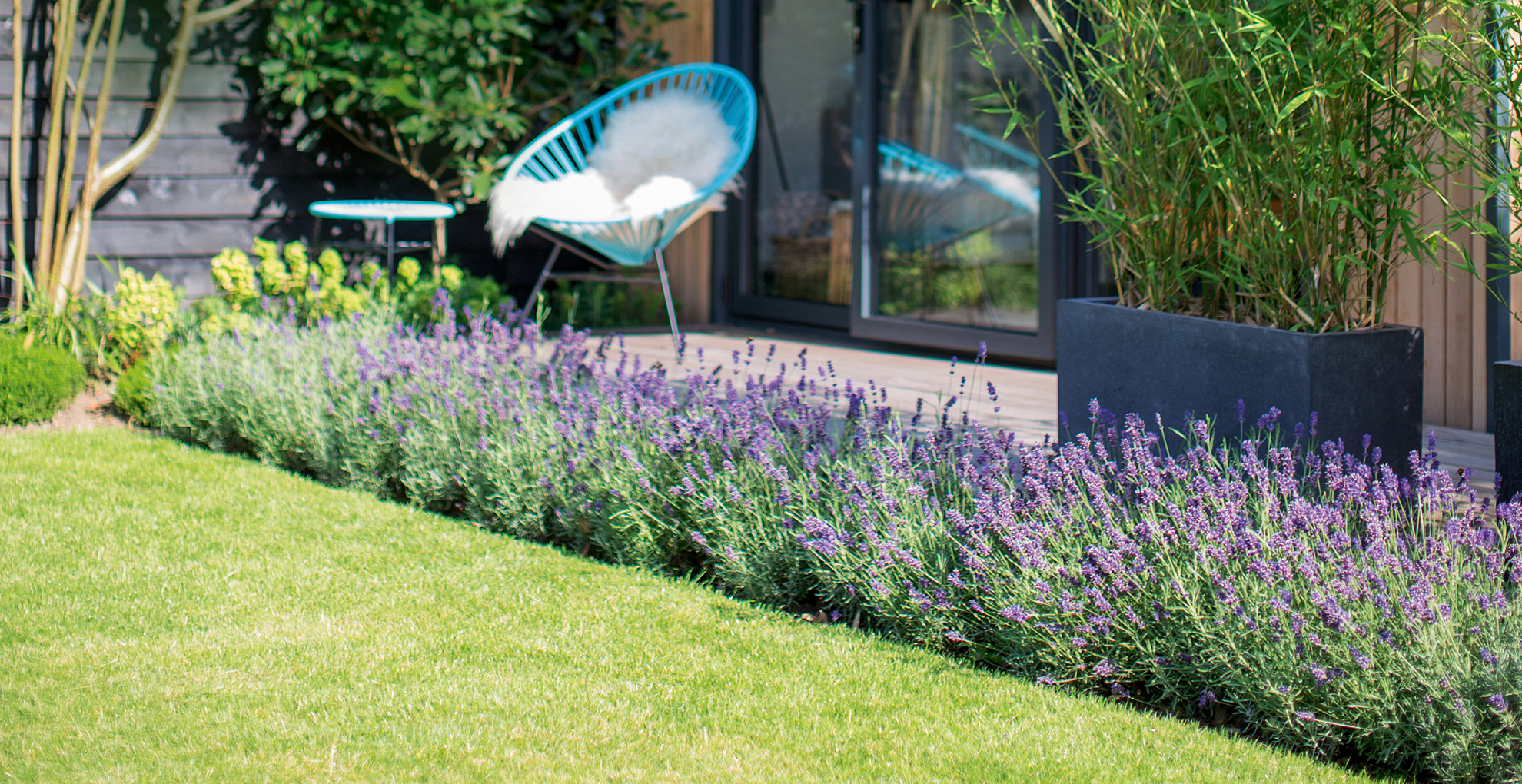
Learning how to care for a lavender plant is incredibly easy, and yet the reward is so great. It will fill your garden with a relaxing scent and invite lots of pollinators into your space.
"Whilst you would expect richer soil to result in more blooms, with lavender it’s exactly the opposite," explains Lucie Bradley, gardening expert at Easy Garden Irrigation. "If you overfeed lavender, although more foliage will grow, there will be fewer blooms and reduced scent, which can even weaken the plant sufficiently that it won’t be able to survive the cold winter months."
"Whereas growing lavender in nutrient-poor soil, even sandy or clay soils, in full sun with very little water, it will produce more, strongly scented blooms," says Lucie.
Lavender is also a fantastic plant for a small space, thanks to its vertical growth, so if you have a balcony or smaller garden, try planting lavender.
5. Sea Holly
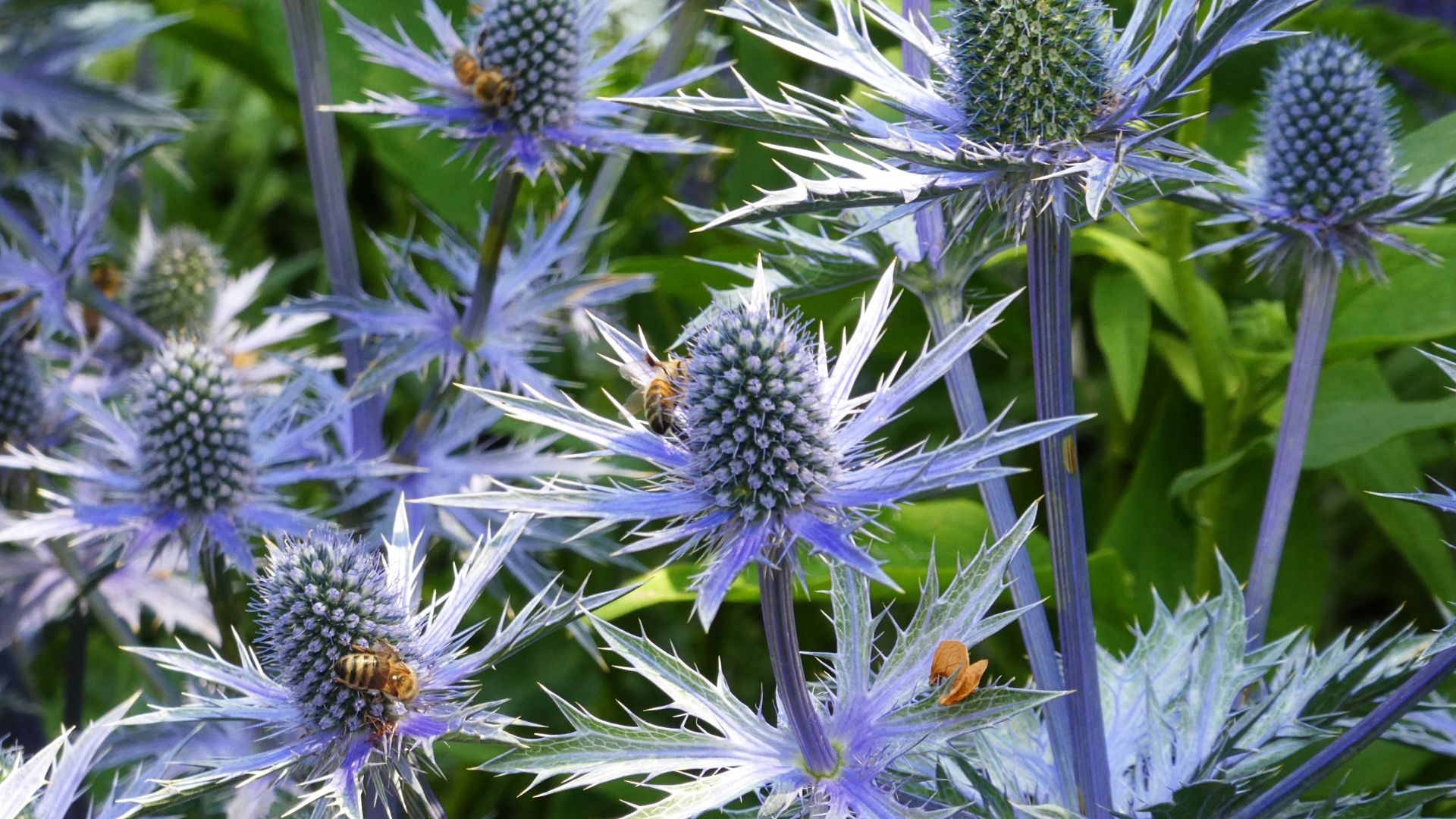
Although it's easy to mistake for thistles, which are a wildlife-friendly weed to keep in your garden, Sea Holly is a little different.
"Sea Holly is a hardy, herbaceous perennial that soon shows its dislike of too much care and attention. If you overfeed Sea Holly, it will flower less, and the plants will flop over," begins Lucie.
"Whilst wet, waterlogged soil quickly causes Sea Holly to decline, making it susceptible to powdery mildew and leaf spot disease, it makes their colour dull and, at worst rot their roots quickly killing the plant. So with Sea Holly it’s best to keep it under stressful conditions, in poor, dry soil, full sun, and they even thrive in windy, exposed areas of your garden," she adds.
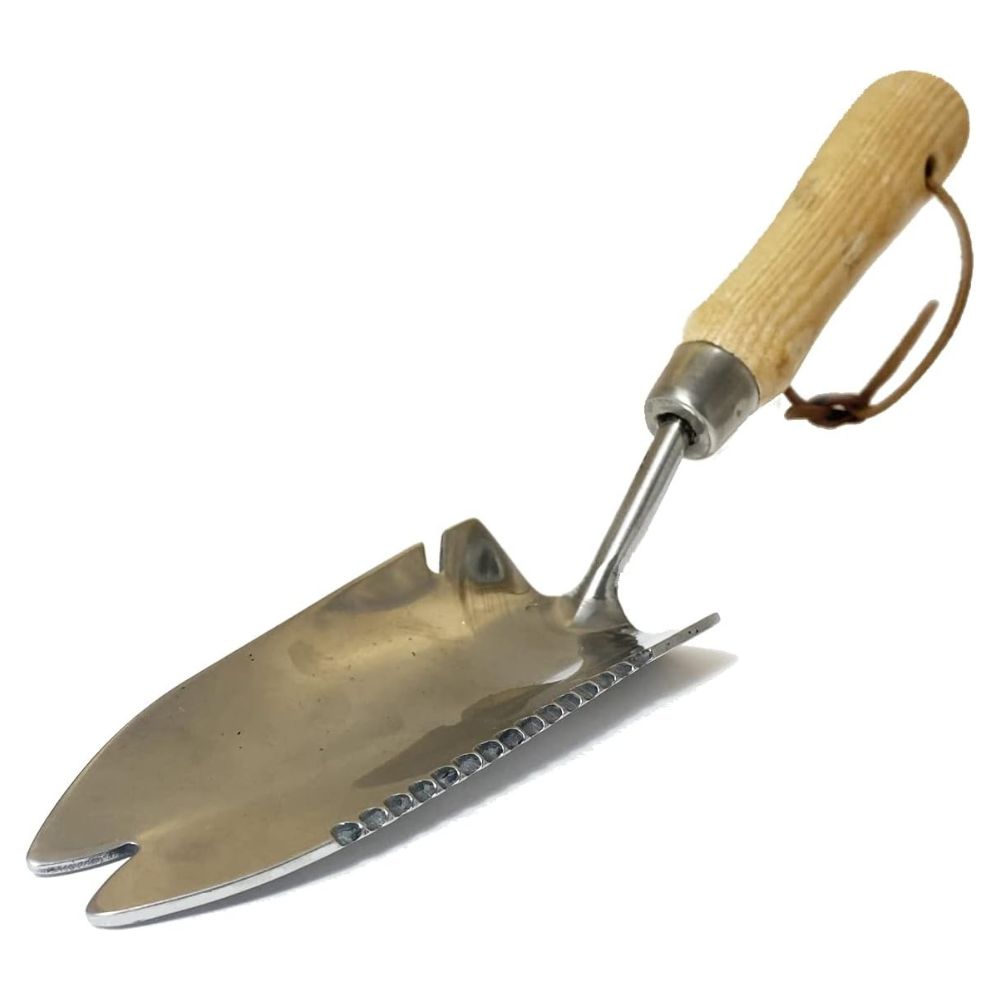
This hand trowel does it all, from cutting through root balls to using the fishtail tip to lift rooted weeds. There's even a twine-cutting notch that doubles up as a bottle opener.
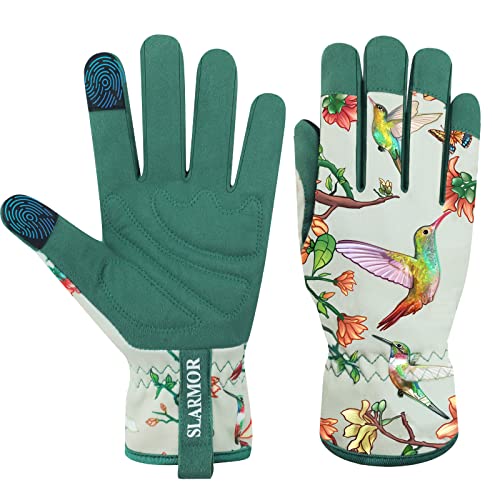
These thoughtfully designed gardening gloves are perfect for any job you need to tackle in your garden. The microfiber material features a handy touchscreen function.
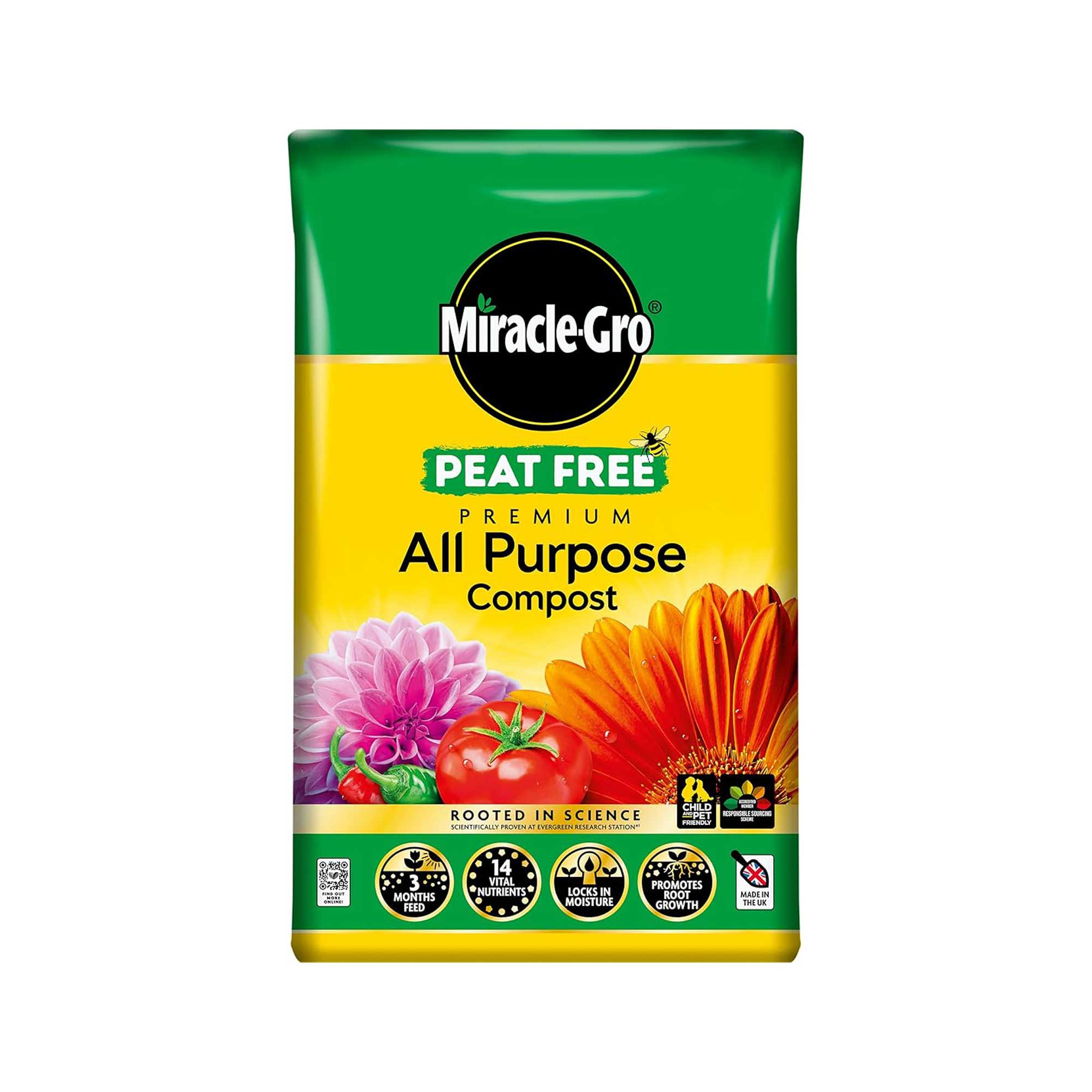
This popular mix from Miracle-Gro can be used to plant flowers and seedlings in containers. It includes coir, which is great for absorbing water and keeping plants hydrated.
FAQs
What herb plants can I neglect?
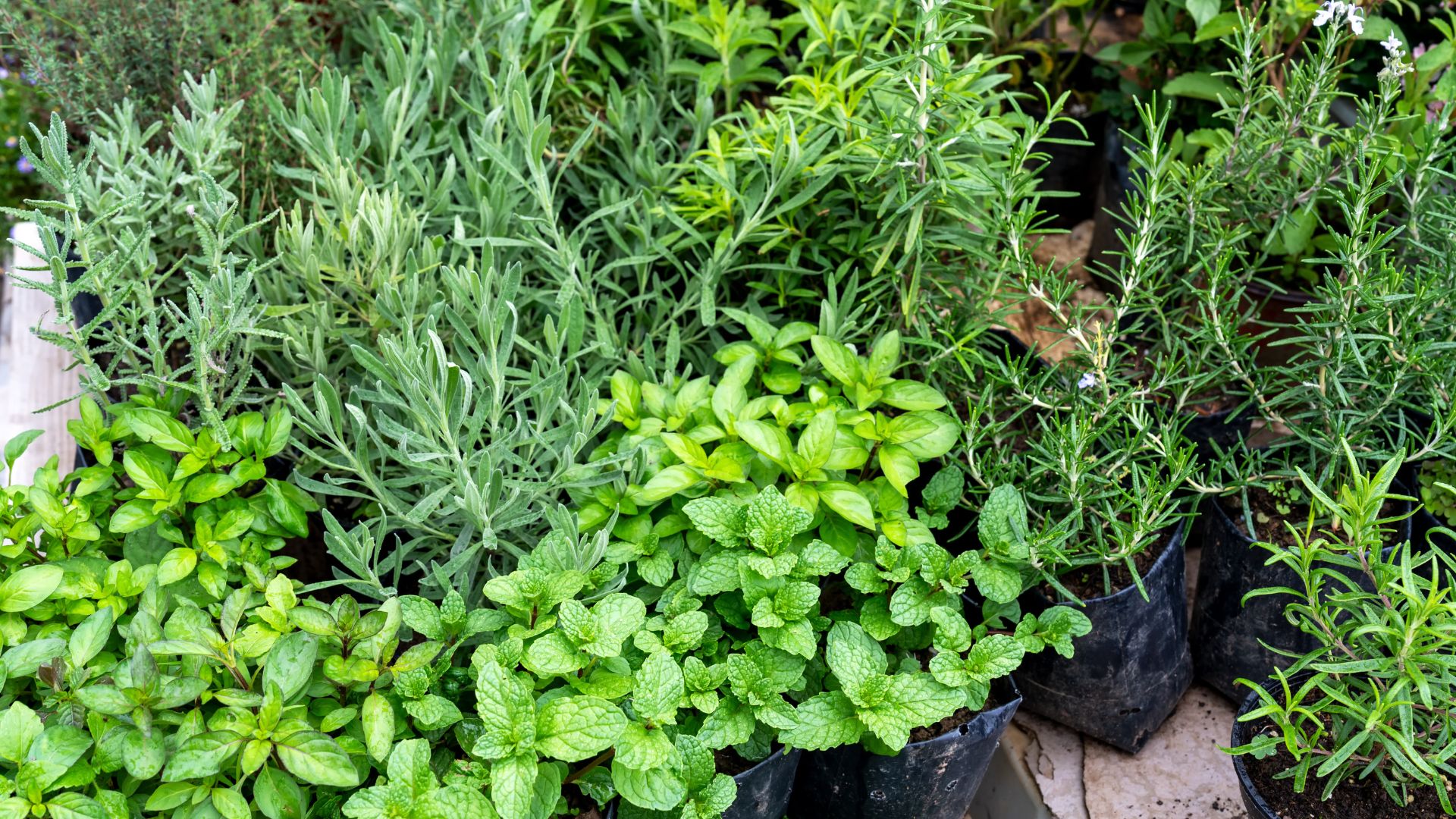
Whether you're looking to grow herbs indoors for your kitchen or want to add herbs to your veggie patch, the majority of them are indestructible.
Lucie has shared the four herbs that are best left to their own devices and require very little care.
- Sage: Lucie says, "Whether you choose to grow sage in a container or garden border, all it needs to thrive is a sunny, sheltered spot and free-draining soil. You don’t need to worry about feeding it, in fact, it becomes weaker and less flavoursome if you overfeed."
- Thyme: All thyme needs is a spot in the garden where it's sunny, and the soil has good drainage. Lucie explains, " Once established and growing, it tolerates poor, dry soil, rarely needing to be watered or fed."
- Rosemary: "Although you will need to water your new plants until they are established, after that they will need very little attention and will only become past their best after about 7 years when they will start to become too woody and will need replacing," points out Lucie.
- Mint: It's no secret that mint is a hell of a grower, and will quickly take over any compost it's planted in. "Mint is a versatile, hardy, herbaceous perennial which thrives in moist, fertile soil but is happy in both a sunny spot or in partial shade," adds Lucie.
Which plant thrives the best under stress?
Should you be really bad at plant parenting, then there is one plant in particular that will fare best under your care.
"Sedum is a strong candidate for a plant that actually performs better under mild stress," says Dr Russell. "Many sedums use CAM-style water-saving physiology, meaning they are designed to keep going on little water and, importantly for gardeners, they often colour up more intensely and flower more reliably when kept on the dry, lean side.
The goal is controlled stress, not starvation in a bog. Prioritise drainage, sunlight, and infrequent watering once established."
If you truly want a low-maintenance garden, then why not try the meadowscaping trend? You can practically let your garden grow by itself and enjoy the native species taking over your space.