
A tendency to zone out mid-sentence, nod off on the couch or lose your temper over any minor inconvenience? To you, they might seems like character quirks.
However, researchers from the University of Maryland have identified thinking, fatigue and mood as behaviors associated with insomnia. Which means that, even if you think you might be getting enough sleep, subtle behaviors like mood swings and zoning out could indicate significant sleep deprivation.
"When [these behaviors] appear together, they suggest sleep is not restorative, even if you believe you're 'getting enough hours,'" explains Dr. Saema Tahir, an adult and pediatric sleep specialist.
We spoke to her about how to identify insomnia red flags — and what they signal about your sleep.
Key takeaways: At a glance
- Thinking, fatigue and mood were identified as 'residual' symptoms of insomnia to be monitored in the treatment of sleep disorders
- Daytime fatigue describes persistent low energy, often caused by a lack of restorative sleep
- Mood swings make you irritable and can result from missing out on REM sleep
- 'Zoning out' could be micro-sleeps; brief dozes that signal your brain is actively struggling to stay awake
- Focusing on improved sleep hygiene, such as a wind-down routine and bed time, can help improve your overall sleep health
How understanding daytime behaviors help you recognize insomnia
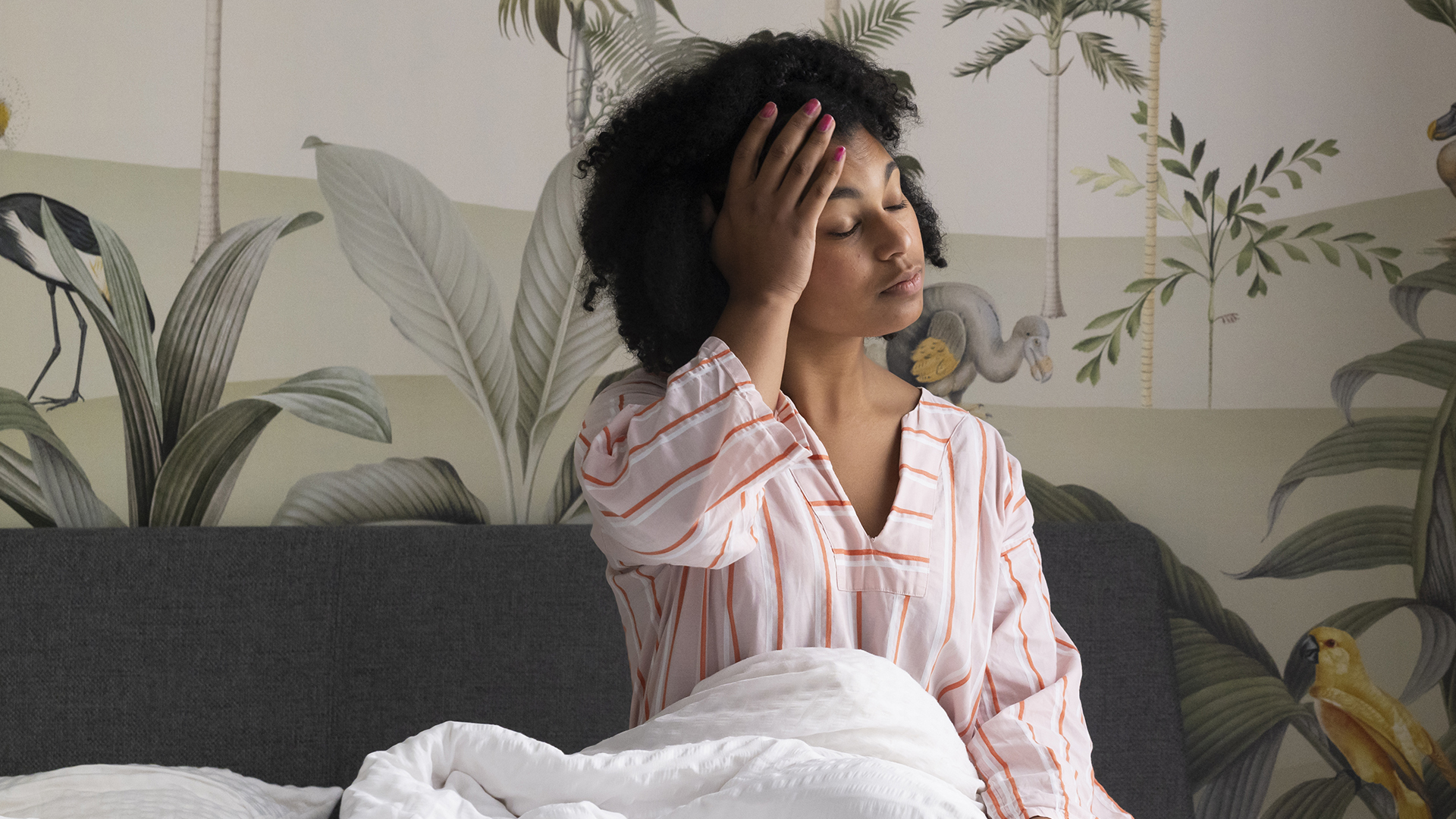
In a recent study by the University of Maryland School of Medicine, researchers highlighted that treating insomnia can't simply focus on sleep. It's important to understand and address the daytime impact of a bad night's rest as well.
Researchers identified 'thinking, fatigue, and mood' as 'residual symptoms' of sleep deprivation which should be monitored by healthcare professionals to ensure more effective treatment for insomnia.
Fatigue [equals] sleep quantity or quality issue
Dr. Saema Tahir, pulmonary disease specialist
In addition, recognizing these red flags of poor sleep health can help people understand the quality of their rest — and anticipate when their sleep is starting to suffer.
"These symptoms are often more informative than total sleep hours," says Dr. Saema Tahir, a pulmonary disease specialist. She explains that if you're clocking up enough hours in bed but still don't feel properly rested, your daytime behaviors can help you understand what's going on.
"Fatigue [equals] sleep quantity or quality issue," she says. "Mood swings [equals] neurocognitive / emotional sleep disruption. Micro-sleeps [equals] severe physiological sleep deprivation or disorder."
3 daytime red flags for bad sleep
Even the best sleep trackers can't always paint an accurate picture of what's happening during the night. However, monitoring how you're functioning during the day helps you investigate and recognize the lived impact of your sleep.
Here are three signs your sleep is suffering (and you might not even know it yet)...
Red flag 1: You have no energy
You know those days when everything feels like a slog? You crawl out of bed and can't even find the energy to scroll through Instagram.
"Daytime fatigue is more than just feeling 'tired,'" explains Dr. Tahir. "Clinically, it refers to persistent low energy, reduced alertness, and difficulty sustaining mental or physical effort during the day despite adequate opportunity for sleep."

So what's causing it? Dr. Tahir notes that daytime fatigue is often a signal that you're missing out on "restorative sleep" — that might mean frequent wake-ups, sleep disorders or "circadian misalignment" (when your time in bed doesn't match when your body expects to sleep.)
"A key clue is disproportion," says Dr. Tahir. "If someone is sleeping an 'adequate' number of hours but still feels drained, we worry about sleep quality rather than quantity."
Red flag 2: Your emotions are a rollercoaster
It's not just you; everyone around you really is more annoying after a bad night's sleep.
"Mood instability, meaning irritability, emotional reactivity, or low frustration tolerance, can be a subtle but powerful marker of sleep disruption," explains Dr. Tahir.
Patients often say, 'I sleep fine,' but report they are snappy, overwhelmed and emotionally labile
Dr. Tahir
And it doesn't have to be a night spent staring at the ceiling that has you snapping at a co-worker for tapping on the keyboard a little too loud.
"Evidence shows even partial sleep restriction impacts emotional regulation circuits in the prefrontal cortex and amygdala reactivity (our emotional response center of the brain)," says Dr. Tahir.
She notes that patients often say "I sleep fine" but describe being snappy, overwhelmed and "emotionally labile" — "that mismatch is a red flag for impaired sleep architecture or insufficient deep/REM sleep."
Red flag 3: You can't keep your eyes open
You're halfway through an email when it occurs to you you don't know how long you've spent on one sentence. In fact, you can't remember the last few seconds at all. What you've experienced might be a microsleep.
"Microsleeps are brief, involuntary episodes of sleep lasting seconds," describes Dr. Tahir. "They often present as: 'zoning out' while driving or reading, dropping attention mid-task or head nodding or blank spells."
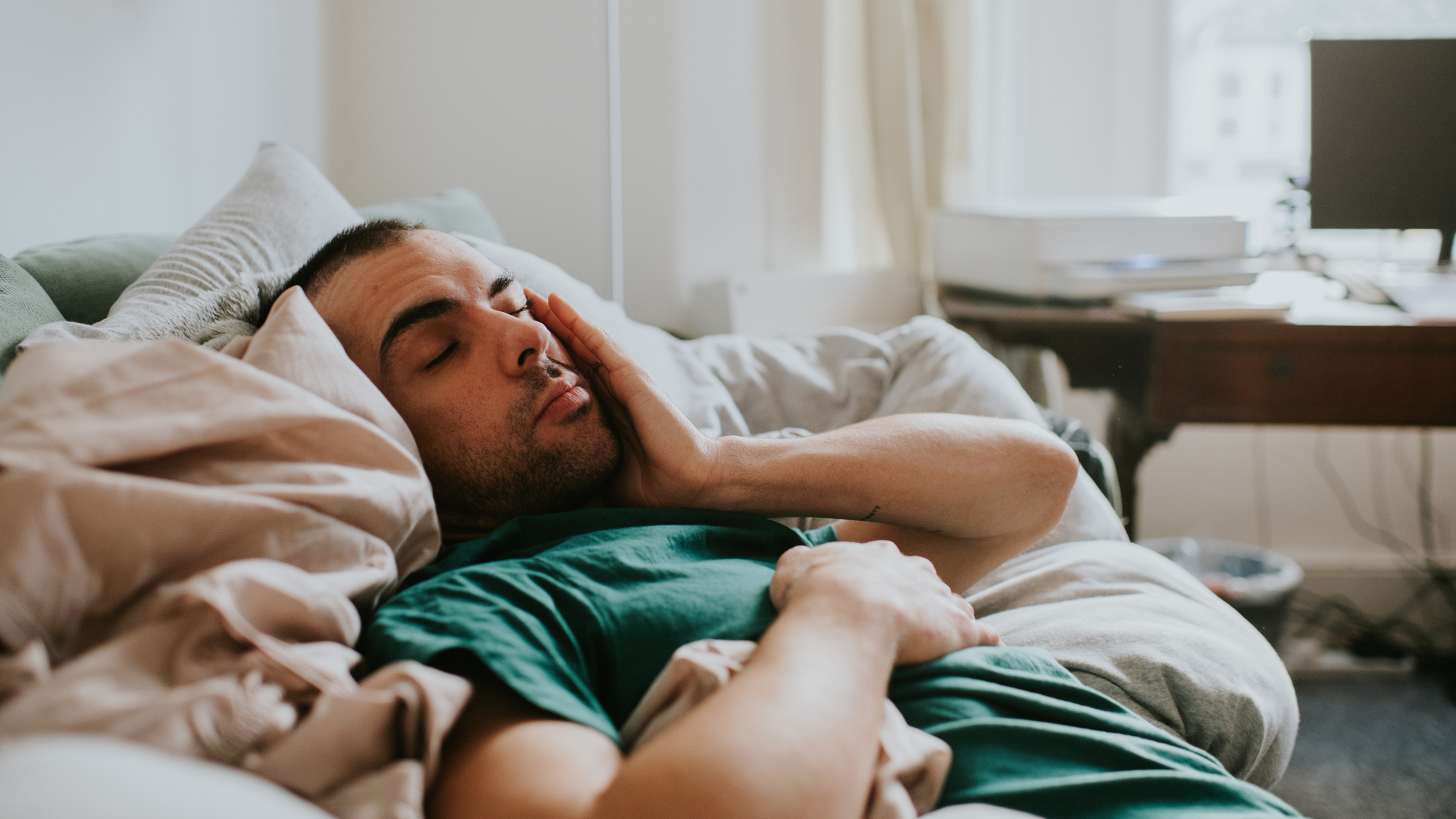
Sometime a microsleep is so fast, you might not even notice its happened. But it shouldn't be ignored, as Dr. Tahir explains it's a sign your brain is "actively failing to maintain wakefulness."
"Clinically, microsleeps are a significant safety warning, most commonly associated with sleep deprivation or untreated sleep disorders (OSA, behavior disorders of sleep, insomnia, hypersomnia, movement disorders of sleep)," she says.
What to do if you notice these red flags
These 'red flags' are often an indication that your sleep is suffering, even if you're happy with the amount of hours you spend in bed.
You don’t measure sleep health by time in bed, you measure it by daytime function
Dr. Tahir
"A key principle in sleep medicine is that you don’t measure sleep health by time in bed, you measure it by daytime function," explains Dr. Tahir.
"So someone can sleep 7–8 hours and still have clinically significant sleep dysfunction."
When these red flags start to impact your daily function, it's time to take a look at your sleep hygiene. Building good habits can improve your overall sleep quality, ensuring you're enjoying truly restorative rest. We've spoken to experts about improving sleep quality, and their top tips include:
- Set a bedtime and stick to it
- Develop a calming (and accessible) wind-down routine
- Start your morning with sunlight
- Dim the lights in the evening
- Keep your bed for sleep only — no binge watching
However, when lack of sleep is having a notable impact on your day, we advise speaking to a healthcare professional, who can help you identify the cause and work on viable solutions.