Many adults notice that losing weight or maintaining energy feels harder after 40, even when their eating habits have not changed much. While age-related shifts in muscle mass, hormones, and activity levels can slow metabolism after 40, dietitians say dramatic overhauls are not the answer. In fact, a few consistent daily habits often make a bigger difference than restrictive diets or punishing workout plans. The good news is that small, realistic changes can help support calorie burning, muscle preservation, and long-term health.
1. Prioritize Protein at Every Meal
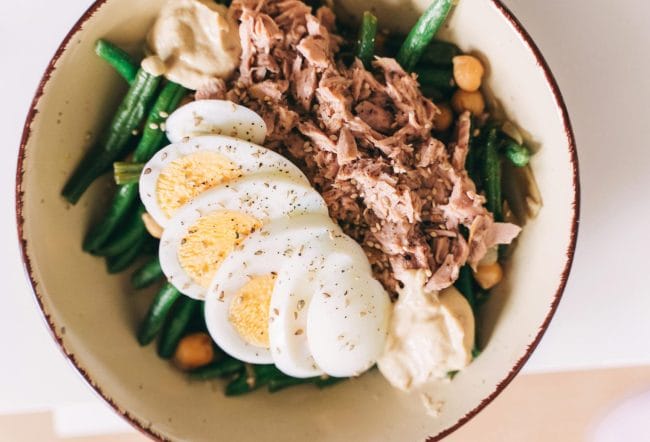
One of the simplest ways to support metabolism after 40 is to eat enough protein throughout the day. Registered dietitians often recommend spreading protein across meals instead of saving it all for dinner because the body uses amino acids to maintain muscle tissue. Muscle naturally declines with age, and less muscle can mean a slower resting metabolism. A breakfast with Greek yogurt, eggs, or cottage cheese can be more helpful than starting the day with only toast or cereal. Even small upgrades, like adding grilled chicken to a salad or beans to soup, can support muscle maintenance without feeling restrictive.
Many people worry that eating more protein means following a high-protein fad diet, but that is a common misconception. Dietitians typically encourage balance, not extremes, and protein needs vary based on activity level, body size, and health conditions. A practical example is swapping a carb-heavy afternoon snack for something with protein, like apple slices with peanut butter or a handful of roasted edamame. Those choices may improve fullness, reduce energy crashes, and support healthier eating patterns. For adults navigating metabolism after 40, consistency matters more than perfection.
2. Add More Strength Training — Even in Short Sessions
Cardio often gets most of the attention for weight management, but dietitians and fitness experts increasingly emphasize strength training for metabolism after 40. Resistance exercises help preserve lean muscle, which burns more calories at rest than fat tissue. That does not mean spending hours in a gym or lifting heavy weights every day. A 20-minute session using resistance bands, light dumbbells, or bodyweight moves at home can still be effective.
Many adults avoid strength training because they believe it is intimidating, unsafe, or only for younger people. In reality, simple movements like squats, wall push-ups, or carrying groceries can count as functional strength work. Research consistently links resistance exercise with healthier aging, improved mobility, and better body composition. Someone who adds two or three short strength sessions each week may notice better stamina, improved posture, and gradual changes in body composition over time. Supporting metabolism after 40 is often more about protecting muscle than chasing quick weight loss.
3. Improve Sleep Before Cutting More Calories
When weight loss stalls, many people instinctively cut calories, but dietitians say poor sleep could be part of the problem. Sleep affects hormones that influence hunger, fullness, and blood sugar regulation, all of which can affect metabolism after 40. Adults juggling careers, caregiving, and stress may underestimate how much fragmented sleep impacts food cravings and energy levels. Getting seven to nine hours of quality sleep is not just about feeling rested; it can influence how the body manages appetite and energy use.
A realistic first step is creating a simple bedtime routine instead of aiming for perfect sleep overnight. Turning off screens 30 minutes earlier, keeping the bedroom cooler, or limiting late-night caffeine can make a measurable difference for some people. Poor sleep can increase cravings for high-sugar, high-fat foods, which may derail even the most disciplined eating plan. Addressing sleep can feel less dramatic than trying another diet, but it is often one of the most overlooked health habits. For many adults concerned about metabolism after 40, better sleep may be the missing piece.
Small Habits Can Deliver Big Results After 40
Boosting metabolism after 40 does not require detoxes, expensive supplements, or impossible routines. Small habits like eating enough protein, protecting muscle through strength training, and improving sleep can create meaningful changes when practiced consistently. These strategies are realistic, evidence-informed, and easier to sustain than extreme plans that burn people out. The goal is not chasing a “perfect” metabolism but supporting a healthier body through everyday choices.
What small habit has made the biggest difference in your health or energy after 40? Share your experience in the comments — your story could help someone else find a realistic approach that actually works.
What to Read Next
Morning Habits That Secretly Drain Your Metabolism and Energy
The 6 Morning Habits Quietly Wrecking Women’s Metabolism
Metabolism Sabotage: 7 Morning Habits That Are Quietly Killing Your Energy
The post 3 Small Lifestyle Changes That Boost Your Metabolism After 40 — According to Dietitians appeared first on Budget and the Bees.