A year and a half after going into Immigration and Customs Enforcement custody, José is still experiencing rectal bleeding.
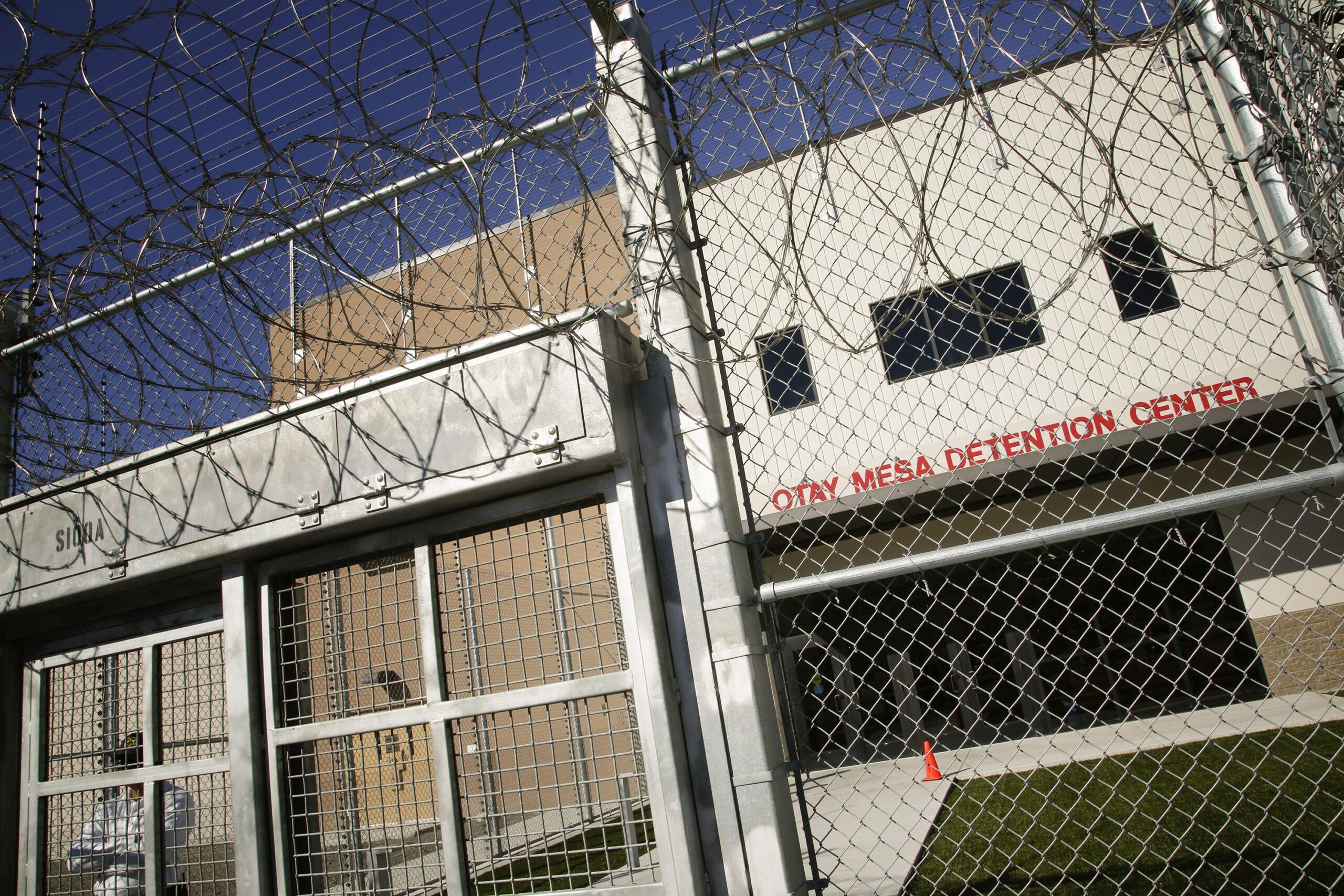
An immigrant from Guatemala who lived in Los Angeles for more than two decades, José has been fighting to get medical attention for his condition the entire time he’s been locked up. After pressure from news media and attorneys, including two articles from Capital & Main, he received a colonoscopy last August and later surgery, but he said conditions at Otay Mesa Detention Center in San Diego have meant that he is not recovering properly.
“The trauma is getting worse,” José said in Spanish. “Lately, I can’t sleep.”
Capital & Main is not fully identifying José due to retaliation concerns.
When asked about José’s situation, ICE did not address his case specifically.
“We are committed to providing safe, humane and respectful care for everyone entrusted to us,” the agency said via email through an unnamed spokesperson. “We take seriously our obligation to adhere to all applicable federal detention standards and will continue to ensure that all detainees receive appropriate and timely medical attention.”
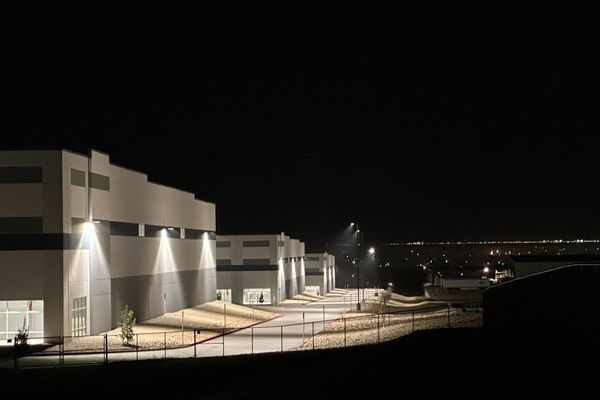
Brian Todd, a spokesperson for CoreCivic, the private prison company that runs Otay Mesa Detention Center, said that he couldn’t comment on José’s medical record because of privacy laws.
“CoreCivic remains committed to meeting the health care needs of all detainees in our care,” Todd said. “The individual you referenced is being provided with a specialized diet, regularly monitored by facility medical staff, and all known medical issues are being addressed. This includes four medical-related appointments last week.”
In April 2024, shortly before his arrest, José visited a Kaiser Permanente emergency room because he was experiencing pain and rectal bleeding, according to medical records. Doctors instructed him then to get a colonoscopy as soon as possible because he might have cancer.
Border Patrol agents initially detained José in May of that year near Tecate, California, after he picked up a man from Guatemala who had crossed the border and didn’t have permission to be in the U.S., according to court records. José first had a criminal case in federal court, where he pleaded guilty to one felony count of “transportation of certain aliens.”
Then, the U.S. Marshals Service transferred him to ICE custody. According to his medical records, he told medical staff during his intake in January 2025 that he was concerned he might have colon cancer.
But for months, he pushed for a colonoscopy without success.
In June, he told an immigration judge that he was worried that he was dying. He showed the judge a jar of blood that he had collected that day from his rectum. The judge asked the attorney representing ICE what was causing the delay in his medical care. That attorney said the facility was assessing whether it was able to provide the level of care he needed or whether he needed to be transferred.
The judge said he could not release José because of his criminal record. Under immigration law, transporting an undocumented person is considered an aggravated felony, a category of offense — made up of felonies and misdemeanors — that carries particularly severe immigration consequences, including mandatory detention.
In early July, according to medical records, CoreCivic staff took José to the Sharp Chula Vista Medical Center emergency room because of his rectal bleeding. Medical staff performed a CT scan and did not find evidence of extensive bleeding inside his colon. His written instructions from the doctor say to get a colonoscopy within a week.
José returned to Otay Mesa Detention Center, where he waited roughly six more weeks for the screening.
For several weeks starting in late July, according to CoreCivic medical records for José, medical staff kept him in isolation to monitor him.
He told Capital & Main at the time that he was begging to return to his housing unit to have better access to tablets to communicate with his family and lawyers.
“I’m just lying down, and I’m getting sicker. Sometimes I think they want to kill me here,” José said. “I don’t feel well at all here locked up.”
Notes from medical staff at the facility indicate that they checked on him once or twice a day, often observing that he was lying down or watching television. Most referred to him as a patient in their clinical notes, but one nurse called him “detainee” instead.
In late August 2025, after Capital & Main wrote two news articles about José and a set of pro bono attorneys stepped in to try to get him released from custody due to lack of medical care, he finally went to a University of California, San Diego, doctor for a colonoscopy.
During the colonoscopy, a doctor removed a small polyp that turned out to be benign, according to José’s medical records. The doctor also found internal hemorrhoids that could be causing his bleeding and recommended suppositories to treat the inflammation they were causing.
In September, José returned to the UC San Diego hospital because he was still experiencing rectal pain and bleeding, according to medical records. The doctor referred him for colorectal surgery for his hemorrhoids and shortened the recommended time for his next colonoscopy from 10 years to five years.
Months later, he had surgery and hoped that at last he would have some relief from the pain and bleeding.
But, he said, he is still experiencing pain and bleeding. He said that the detention center staff have not followed the instructions for his care post-surgery.
“They denied me the medications they prescribed me in the hospital,” he said. “They haven’t given me the high fiber diet.”
He said medical staff at the facility told him that ICE wouldn’t approve the medication that he was prescribed.
He wrote a grievance to the agency in mid-December asking for a high fiber diet. According to a copy of the grievance, the facility staff placed him on high fiber pills, but he said that’s not the same as a high fiber diet.
At the end of the month, he wrote two more grievances.
“I am not healing well from my surgery,” he wrote.
CoreCivic responded that he’d been told that it did not have the capacity to provide a high fiber diet and that it could only provide the pills.
In addition, he said, his feet are swelling. He said that wasn’t something that happened to him before his time in custody.
He had a court hearing in March, where Immigration Judge Guy Grande denied his requests for protection and ordered him deported to Guatemala. José believes that his ex-wife’s new partner, whom he has described as a hitman and corrupt police officer, will kill him if he returns.
José said Grande said during the hearing that he believed José, but that it had been too long since he had contact with the person he believed would harm him.
“But that doesn’t make sense,” José said. “How will I have contact with someone who is going to hurt me if I am hiding myself?”
He found attorneys to help him appeal the decision.
But while he is waiting for his case to make it to the Board of Immigration Appeals and potentially to the Ninth Circuit Court of Appeals, he is stuck in custody. He said he thinks the government is hoping he will give up and agree to be deported.
“I’m not going to give up,” José said.
His lawyers recently filed a new habeas corpus case to try to get him released.