A former soldier and part-time metal detectorist has discovered a rare Roman gold ring believed to be nearly 1,700 years old in southwest England, a find that has since been acquired by the South West Heritage Trust and will eventually go on public display.
Kevin Minto, a truck driver from Somerset, uncovered the ring while searching a field near Ilminster. The artefact was later described by heritage experts as an extraordinary and unparalleled discovery for Britain.
Roman ring features image of goddess Victoria
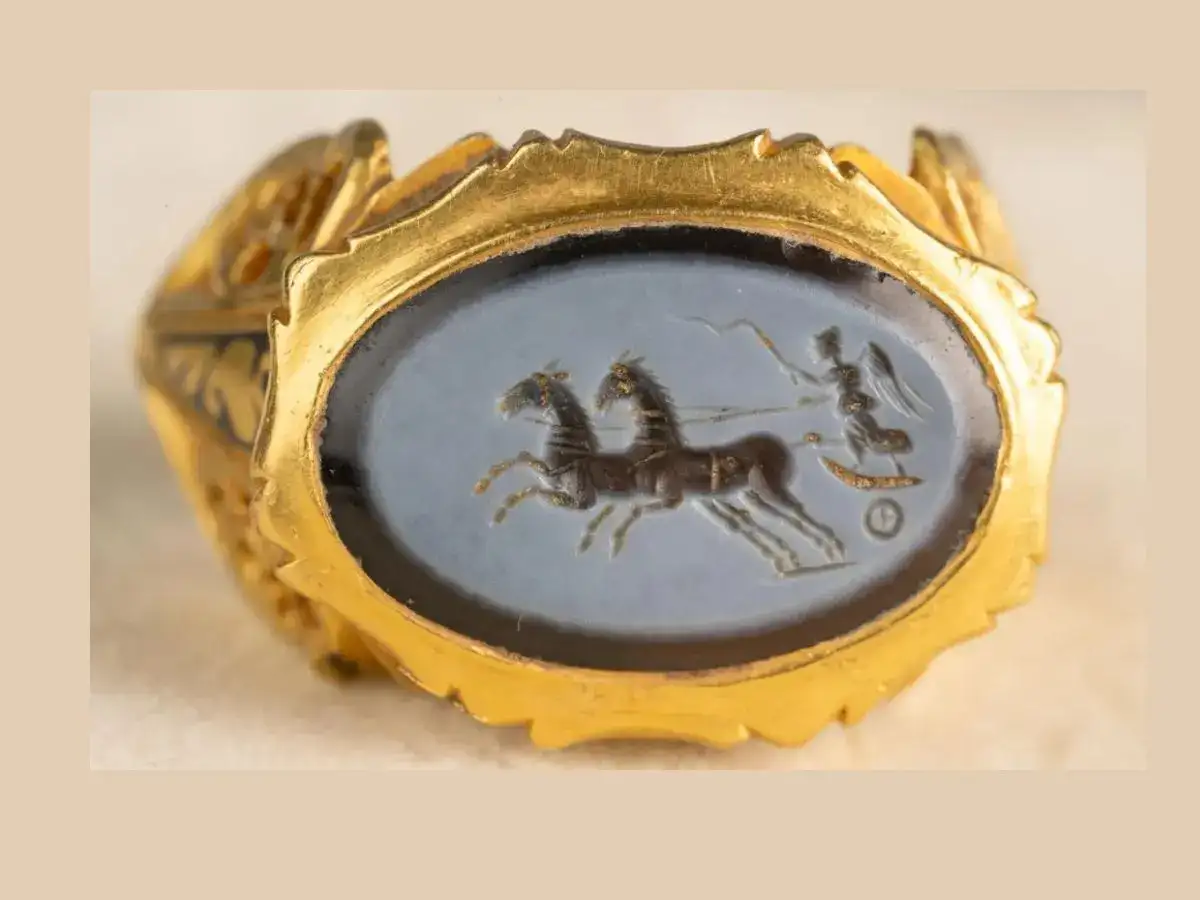
The gold ring weighs 48 grams and contains a gemstone engraved with an image of Victoria, the Roman goddess of victory, riding a two-horse chariot.
Minto described the artefact as unique, telling CNN that there is no other example like it in Britain. The ring is unusually large and considered an exceptional example of Roman craftsmanship.
During subsequent visits to the same area, Minto also discovered a lead-lined coffin, further highlighting the archaeological significance of the site.
Discovery's significance became clear later
Minto, now 68, said the importance of the discovery did not immediately register.
Speaking to CNN, he said it was only after visiting the British Museum and seeing the ring displayed alongside coins that the significance of the find fully sank in.
He described the experience as difficult to believe and said the discovery felt more real once the artefacts had been formally examined.
South West Heritage Trust acquires ring and coin hoard
The ring has since been acquired by the South West Heritage Trust, which raised £78,010 to purchase both the ring and an accompanying coin hoard discovered by Minto the previous year.
Under British law, metal detectorists must report any treasure discoveries to a local finds liaison officer. A coroner then conducts an inquest, after which museums can apply to acquire the items for public benefit.
In this case, the proceeds were divided between the finder and the landowner. Minto shared part of his reward with a fellow detectorist from his military veterans group and received more than £19,500.
Experts believe ring belonged to wealthy Roman
According to Amal Khreisheh, the ring likely belonged to a wealthy individual living in the region during the Roman period.
Khreisheh suggested the owner may have been involved in local administration or owned a farming estate in south Somerset, an area known for its prosperity at the time. The region contained numerous villas and estates and was connected by the Fosse Way, a Roman road that supported trade and movement.
The South West Heritage Trust described the find as an extraordinary discovery that reflects its rarity within Britain.
Artefacts to be displayed for public education
Before going on permanent display at The Museum of Somerset, the ring and coin hoard are being shown to local schoolchildren as part of a community engagement programme.
Reflecting on the discovery, Minto said the attraction of metal detecting lies in the excitement of uncovering something unexpected. He told CNN that the thrill comes from never knowing what may be revealed when the soil is turned over.